
Pigmentation · 8 min read
Pigmentation Treatment: How to Remove Dark Spots on the Face
By Dr. Anisha Sharma, Dermatologist & Cosmetologist · Updated 28 September 2026
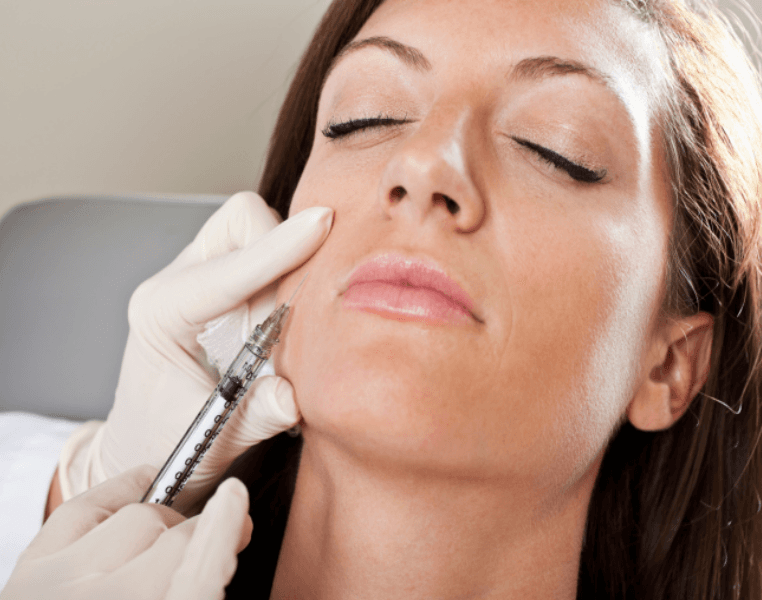
Dark patches on the cheeks, forehead, or upper lip are one of the most common reasons people look for pigmentation treatment. Indian skin tans easily and also marks after pimples. The result is uneven tone that fairness creams promise to erase and almost never do safely.
“How to remove dark spots on face” has a real answer: identify the type of pigmentation, protect the skin from the sun, and use prescription-strength treatment a dermatologist chooses for your skin. At Tvachit Clinic, pigmentation care is medical, not a bleaching facial — and Dr. Anisha Sharma also sees patients remotely.
Types of pigmentation: tanning, PIH, and melasma
- Sun tanning: extra melanin from UV exposure. Improves with strict sunscreen and time.
- Post-inflammatory hyperpigmentation (PIH): brown marks left after acne, insect bites, or waxing. Very common on Indian skin.
- Melasma: symmetric brown-grey patches on the cheeks, forehead, or moustache area, often triggered by sun and hormones (pregnancy, OC pills).
- Freckles and sun spots: discrete spots from chronic sun exposure.
- Perioral or under-eye darkness: sometimes pigment, sometimes shadow, veins, or habit. Needs examination, not a one-cream solution.
Melasma treatment is not the same as treating a pimple mark. Melasma sits deeper, rebounds with sun, and can worsen with heat, waxing, and harsh scrubs. Guessing the type at home is why so many people spend years on the wrong products.
Why fairness creams and steroid combinations make pigmentation worse
Many over-the-counter “fairness” or “spot removal” creams contain topical steroids or illegal bleaching agents. Short-term lightening is followed by rebound pigmentation, thin skin, redness, and acne. If a cream gave dramatic whitening in days, stop it and see a dermatologist. Safe hyperpigmentation treatment is slower and monitored.
Pigmentation treatments a dermatologist may use
Topical medical therapy
Prescription regimens may include retinoids, azelaic acid, vitamin C, niacinamide, and carefully supervised hydroquinone or combination creams when indicated. These are chosen for your diagnosis and skin barrier. More layers of acids are not better.
Chemical peels and medi-facials
Supervised chemical peels can fade PIH and improve dull, uneven tone. Medi-facials at Tvachit support hydration and glow without the aggressive bleaching used in some salons. Peels for melasma are selected conservatively so the pigment does not rebound.
Sun protection is half the treatment
No pigmentation treatment works without daily broad-spectrum sunscreen, a hat in peak sun, and limiting heat exposure for melasma. Reapply sunscreen if you are outdoors. This is not optional advice; UV is the main reason dark spots return after they fade.
How long until dark spots fade?
Acne marks may fade in weeks to a few months with the right routine. Melasma is chronic: it can be lightened and controlled, then needs maintenance. Anyone promising “permanent fairness in one sitting” is selling a procedure that can burn or rebound. Realistic pigmentation treatment is measured in months, with photographs and follow-up.
When to see a dermatologist for pigmentation
See a skin specialist if patches are spreading, appeared during pregnancy, followed acne, or you have been using unknown fairness creams. Also book if home serums sting, peel, or have made the skin darker. Rapidly changing, irregular, or single odd-looking spots should be examined to rule out other skin conditions.
Tvachit Clinic offers pigmentation treatment, medi-facials, and anti-aging care under Dr. Anisha Sharma, with remote consultations for patients who cannot visit in person. Call +91 63527 17046 for an assessment of your dark spots and a plan that is safe for Indian skin.
This article is educational and does not replace a consultation with a dermatologist. Dr. Anisha Sharma offers in-clinic and remote consultations; treatment is prescribed after reviewing your skin or scalp.