
Acne · 8 min read
Acne Treatment: How to Get Rid of Pimples Permanently
By Dr. Anisha Sharma, Dermatologist & Cosmetologist · Updated 28 September 2026
If you are searching for acne treatment, you are likely tired of creams, face washes, and advice that only calms pimples for a week. Acne is a medical skin condition. Lasting results come from identifying the type of acne, the trigger, and a plan a dermatologist can adjust as your skin changes.
At Tvachit Clinic, Dr. Anisha Sharma treats mild breakouts, hormonal acne, and painful cystic acne with evidence-based care — in person or through a remote consultation. This guide explains why pimples form, which treatments actually work, and when it is time to see a skin specialist instead of self-medicating.
What causes acne and why pimples keep coming back
Acne starts when hair follicles clog with oil (sebum) and dead skin cells. Bacteria then inflame the follicle, which shows up as whiteheads, blackheads, papules, pustules, nodules, or cysts. Common drivers include hormones, humidity, sweat, comedogenic makeup, steroid creams, and picking at lesions.
Teen acne is often oil-driven. Adult acne, especially along the jawline and chin, is frequently hormonal. Using random fairness creams or leftover antibiotics can worsen pigmentation and resistance. That is why “how to get rid of pimples permanently” is the wrong question if the underlying cause is never treated.
Types of acne a dermatologist will diagnose
- Comedonal acne: blackheads and whiteheads from clogged pores.
- Inflammatory acne: red, tender pimples and pustules.
- Cystic or nodular acne: deep, painful lumps that often scar.
- Hormonal acne: cyclic breakouts around the jaw, chin, and neck.
- Acne with pigmentation: dark marks (PIH) that linger after the pimple heals, common on Indian skin.
Treatment that works for blackheads will not clear cystic acne. A consultation lets the dermatologist map lesions, check for scarring risk, and rule out conditions that look like acne, such as folliculitis or rosacea. Procedures still need an in-clinic visit; medicines and follow-up can often start remotely.
Acne treatments that work (and what to skip)
Medical topical and oral therapy
First-line pimple treatment is usually a combination of topical retinoids, benzoyl peroxide, and, when needed, prescription antibiotics or hormonal therapy. These are dosed for your skin type so you get results without excessive dryness or irritation. Oral isotretinoin is reserved for severe, scarring, or treatment-resistant acne and is only prescribed with proper monitoring.
In-clinic procedures
- Comedone extraction for stubborn blackheads and whiteheads.
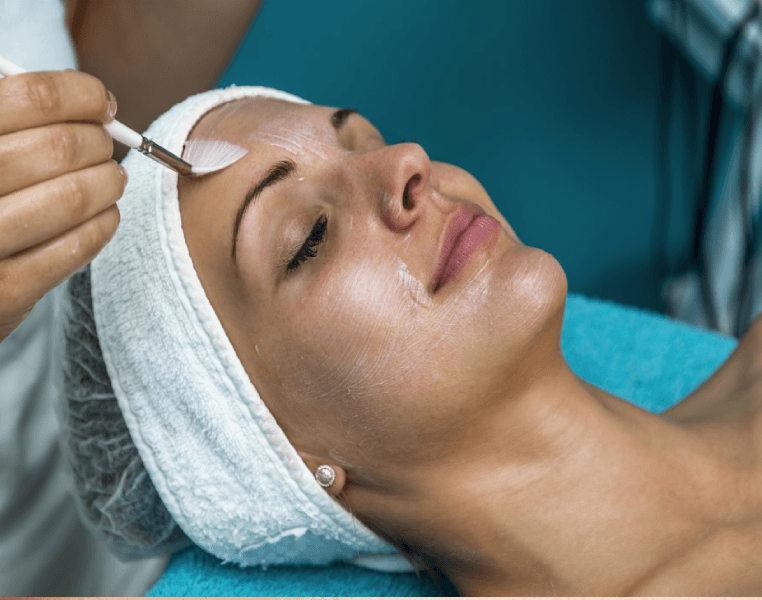
- Chemical peels to unclog pores, fade marks, and speed cell turnover.
- Intralesional injections for large, painful cysts.
- Medi-facials that cleanse and hydrate without clogging pores.
These procedures complement medicines. They are not a substitute for a daily routine, and they should be done by a trained dermatologist, not a parlour, especially if you already have scars or dark spots.
Acne scar treatment
Once active acne is controlled, ice-pick, boxcar, or rolling scars can be treated with peels, subcision, or other clinic procedures after assessment. The fastest way to limit scars is to stop picking and start medical acne treatment early.
A simple acne-safe routine you can start today
- Cleanse twice daily with a gentle, non-foaming or dermatologist-recommended wash. Do not scrub.
- Use only non-comedogenic moisturiser. Dry, stripped skin produces more oil.
- Apply a broad-spectrum sunscreen every morning. Many acne medicines increase sun sensitivity, and sun darkens leftover marks.
- Avoid stacking 5–6 “pimple products”. One prescribed routine beats a shelf of actives.
- Do not buy over-the-counter steroid or fairness creams for pimples. They can cause steroid-induced acne and lasting damage.
When to see a dermatologist for acne
Book a consultation if pimples last more than a few weeks, hurt, leave dark marks or scars, flare around your period, or have not improved with drugstore products. You should also see a skin specialist if you have tried multiple “acne kits” and your barrier is now red, peeling, or burning.
Dr. Anisha Sharma offers in-clinic visits at Tvachit Clinic and remote consultations for patients who cannot come in. Call +91 63527 17046 to start a personalised acne treatment plan rather than guessing with another cream.
This article is educational and does not replace a consultation with a dermatologist. Dr. Anisha Sharma offers in-clinic and remote consultations; treatment is prescribed after reviewing your skin or scalp.