
Hair · 9 min read
Hair Fall Treatment: Causes, Solutions and When to See a Doctor
By Dr. Anisha Sharma, Dermatologist & Cosmetologist · Updated 28 September 2026
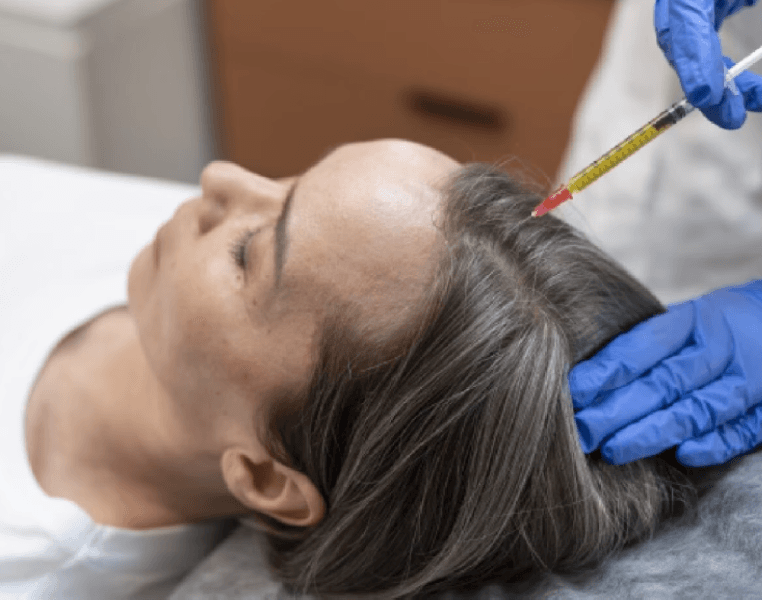
Hair fall treatment searches usually start after the bathroom drain fills up, the parting looks wider, or a comb comes away with clumps. Some shedding is normal. A sudden increase, a receding hairline, or thinning at the crown is not something oils and shampoos will reverse on their own.
If you are looking for hair fall treatment, the first step is finding out why the hair is falling. Pattern hair loss, telogen effluvium, thyroid disease, iron deficiency, PCOS, and scalp conditions each need a different plan. Dr. Anisha Sharma evaluates the scalp and hair — in clinic or remotely — before recommending medicines or procedures.
How much hair fall is normal?
Most people shed about 50 to 100 hairs a day as part of the growth cycle. You should get hair loss treatment assessed if you notice more shedding after a wash, a visible scalp in photos, a receding temple, thinning of the ponytail, or hair that has not grown back 3 to 6 months after an illness, delivery, or crash diet.
Common causes of hair fall in men and women
- Androgenetic alopecia: hereditary pattern hair loss in men and women. The most common reason people search “how to stop hair fall”.
- Telogen effluvium: diffuse shedding after fever, COVID, surgery, stress, crash diets, or a new baby.
- Nutritional gaps: low iron, vitamin D, or protein, especially in vegetarian diets and postpartum women.
- Hormonal conditions: thyroid disorders and PCOS-related hair fall in women.
- Scalp disease: dandruff, seborrheic dermatitis, or fungal infection that inflames follicles.
- Traction and chemical damage: tight hairstyles, keratin treatments, and harsh colouring.
Hair fall treatment for women is often delayed because thinning is blamed on “weak hair” or water quality. Female pattern hair loss and postpartum shedding are medical issues. The earlier a dermatologist sees the scalp, the more hair can be preserved.
Hair loss treatments that actually help
Medical therapy
Proven options include topical minoxidil, prescription anti-androgens when appropriate, and treatment of the underlying thyroid, iron, or hormonal problem. Supplements only help if a verified deficiency exists. Random “hair gummies” will not restart miniaturised follicles.
Clinic procedures
Depending on the diagnosis, a dermatologist may recommend platelet-rich plasma (PRP), mesotherapy, or medical scalp treatments alongside medicines. These are adjuncts, not magic. They work best when pattern hair loss is still in an early or moderate stage and the patient continues maintenance therapy.
Laser hair removal is not hair fall treatment
Tvachit also offers laser hair removal for unwanted body or facial hair. That is a different service from hair fall treatment. If your concern is thinning on the scalp, you need a hair-loss evaluation, not laser.
What you can do at home while you wait for an appointment
- Eat enough protein and do not crash-diet.
- Use a gentle shampoo; treat visible dandruff instead of oiling an inflamed scalp.
- Avoid tight buns, daily heat, and harsh chemical straightening.
- Do not start minoxidil, steroids, or hormone pills from a pharmacy without a prescription.
- Take photos of your hairline and parting every month so progress is measurable.
When to see a dermatologist for hair fall
See a skin and hair specialist if shedding lasts more than 6 to 8 weeks, you see a widening part or receding hairline, you have patchy bald spots, or hair fall started after pregnancy, weight loss, or a new medicine. Sudden bald patches can be alopecia areata and should not wait.
Dr. Anisha Sharma offers hair fall treatment at Tvachit Clinic and remote consultations if you cannot visit in person. Call +91 63527 17046 to book a scalp assessment and a plan based on the cause of your hair loss, not a one-size oil.
This article is educational and does not replace a consultation with a dermatologist. Dr. Anisha Sharma offers in-clinic and remote consultations; treatment is prescribed after reviewing your skin or scalp.